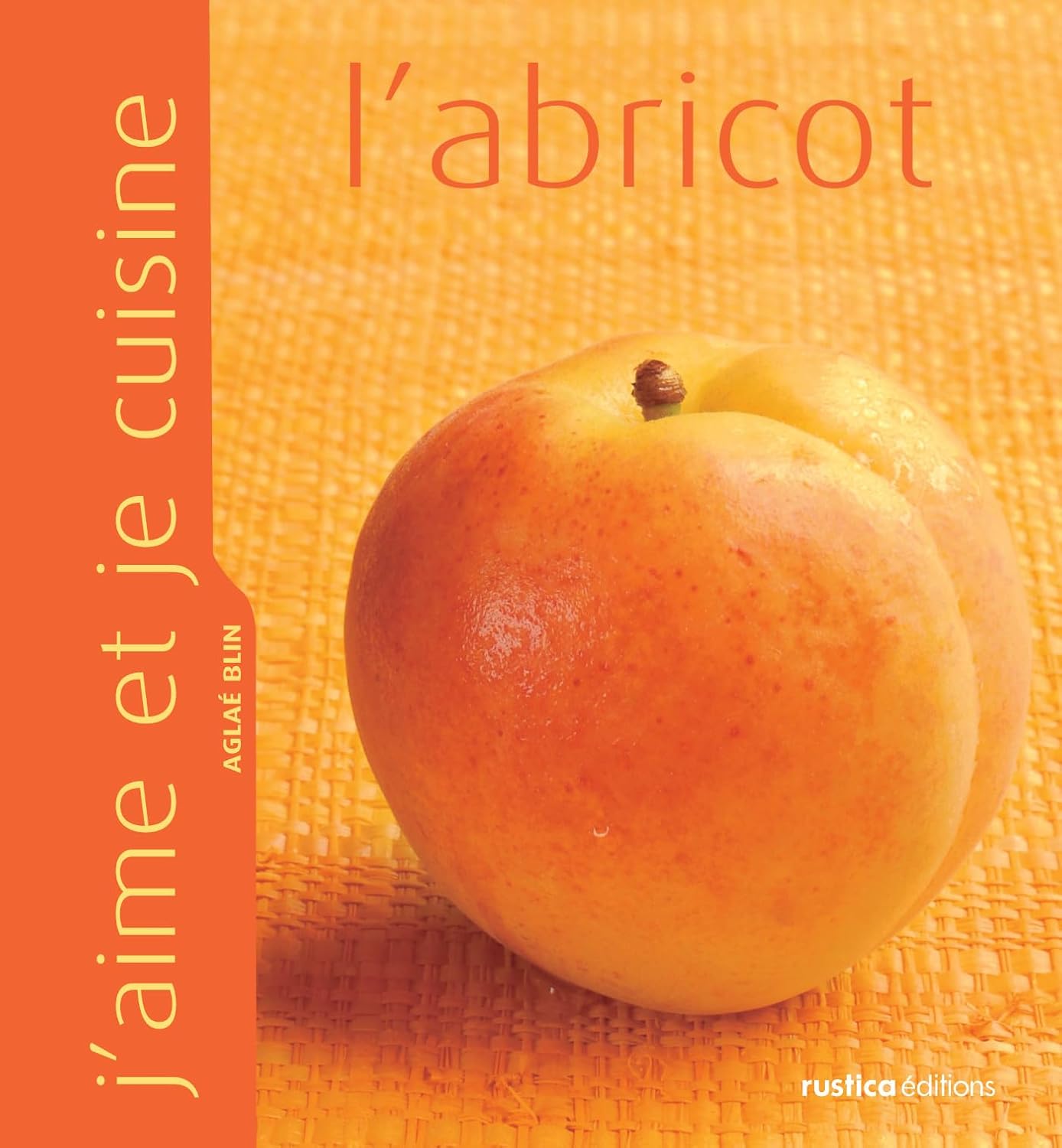
✍️ Aglaé Blin (Auteur), Anthony Lanneretonne (Photographies)🏢 Rustica Editions📅 5 octobre 2012🗣 French
Perfect for apricot lovers! Soft and fragrant, easy to digest, the apricot can be cooked fresh in summer or dried throughout the year. Discover 30 tasty and easy recipes: crab and apricot salad, lamb tagine, spice bread crumble, almond milk clafoutis… When you love it, you cook it!
Everything About Apricots
From the orchards of Provence to your table: the golden fruit of French gastronomy.
🌍 Origins and History
The apricot (Prunus armeniaca) is one of the oldest fruits cultivated by humans. Native to the mountain ranges of Central Asia — the Tian Shan basin between China and Kyrgyzstan — it is mentioned in Chinese texts dating back over 4,000 years. Alexander the Great helped introduce it to Europe via Persia and Armenia, giving rise to its Latin name armeniaca.
The Romans called it praecox ("early") in reference to its early spring flowering. Introduced to France in the 15th century, it thrives remarkably in the orchards of Roussillon, Drôme and the Rhône valley, regions that remain today's national production champions.
🍑 Key Varieties
🍑
Bergeron
Juicy, tangy, summer star
✨
Goldrich
Large size, very sweet
🌟
Orangered
Early season, delicate aroma
💛
Polonais
Heirloom variety, exceptional fragrance
🏆
Rouge du Roussillon
PGI certified, Catalan pride
🌿
Muscat de Saumur
Small, incomparable musky aroma
👨🍳 Gastronomy & Recipes
The apricot is one of the most versatile fruits in French cooking. Its balanced sweet-tart flavour makes it a prime ingredient in both sweet and savoury preparations.
Apricot jam: France's most beloved preserve, naturally rich in pectin
Apricot tarte tatin: summer twist on the classic upside-down tart
Provençal clafoutis: made with Roussillon apricots
Dried apricot (majoub): nutrient powerhouse, star of the Middle-Eastern mezze
Apricot-honey sauce: perfect with duck, foie gras or magret
Apricot nectar: natural drink, rich in beta-carotene
🥗 Nutritional benefits: Rich in beta-carotene (vitamin A precursor), potassium and fibre, the apricot supports cardiovascular health, improves vision and aids digestion. Only 48 kcal per 100 g!
🌿 Terroir & Heritage
France is Europe's 5th largest apricot producer, harvesting around 150,000 tonnes annually. In Roussillon, the apricot holds a Protected Geographical Indication (PGI) that guarantees its origin and quality. Every summer, the markets of Perpignan, Céret and Thuir overflow with fragrant golden crates.
💡 Did You Know?
The apricot kernel contains an almond used to produce luxury cosmetic oils — light, penetrating and prized in facial skincare. In Armenia, the very dense apricot wood is used to craft the duduk, a wind instrument listed on the UNESCO Intangible Cultural Heritage. And in Persian, the apricot is called zardalu — "the yellow plum".
🍑 Legal Notice
Site Publisher
Internet, à Grenoble.
Partnership Programme
Partnership programme for links and searches. We participate in the
Partner Programme and earn commission on sales.
Personal Data & Cookies
No personal data is collected directly on this site. Any cookies are managed by third-party partners (Amazon). In accordance with GDPR, you have the right to access, rectify and object by contacting us.
Intellectual Property
All editorial content is the exclusive property of Abricots.fr. Any reproduction without authorisation is prohibited.
Hosting
This site is hosted by a GDPR-compliant European provider.